Morning Commute Ease: Crisp Shirts and Relaxed Trousers for Busy Days
Why This Outfit Formula Works
Busy mornings demand clothing that does more than look good in a mirror. It has to survive the commute, stay presentable through meetings, and still feel comfortable when the day stretches longer than expected. That is exactly why the combination of a crisp shirt and relaxed trousers has become such a dependable style formula. It gives you structure on top, ease on the bottom, and the result is a look that feels intentional without feeling overworked.
This pairing works because it solves a classic wardrobe conflict: how do you look sharp while still moving freely? A crisp shirt brings clarity and polish. Relaxed trousers bring comfort and breathing room. Together, they create a balanced outfit that reads as modern, competent, and quietly confident.
The Modern Commuter’s Style Problem
The average commute is not gentle. You sit, stand, rush, bend, carry a bag, and maybe squeeze onto a train or into traffic before the day even begins. Clothing that looks good only when perfectly still is not enough anymore. If your outfit wrinkles instantly, restricts movement, or feels heavy by 9 a.m., it is working against you.
That is why more people are moving toward practical tailoring. The goal is no longer to look rigid. The goal is to look composed. A good commute outfit should behave like a well-designed tool: useful, reliable, and easy to handle. Crisp shirts and relaxed trousers do that exceptionally well.
What Makes a Shirt “Crisp” Without Feeling Stiff
A crisp shirt is not simply a stiff shirt. The best versions hold their shape, look fresh, and still allow movement. The word “crisp” here refers to visual clarity. The collar stands neatly, the fabric falls cleanly, and the shirt communicates order before you even speak.
Fabric Choices That Hold Their Shape
Fabric is the foundation. Cotton poplin is one of the most dependable options because it feels smooth and structured. Oxford cloth is a little heavier and more textured, which gives a casual-smart look. Lightweight cotton blends can also work well if you want easier maintenance and faster drying.
The key is choosing a fabric that resists collapse. A shirt that clings or wrinkles immediately can make the whole outfit look tired. A crisp fabric does the opposite: it lends energy to the look and keeps the upper half visually clean.
Fit That Looks Sharp and Moves Well
A crisp shirt should skim the body, not fight it. Too tight, and it looks strained. Too loose, and it starts to feel sloppy. A balanced fit lets you move comfortably while still keeping the silhouette neat.
The shoulder seam should sit correctly, the sleeves should allow reaching and sitting, and the torso should have enough room to avoid pulling. When the fit is right, the shirt does the work for you. It frames the body in a way that looks naturally put together.
Why Relaxed Trousers Are the Smart Counterpart
If the shirt provides discipline, the trousers provide relief. Relaxed trousers are not a fashion compromise. They are a practical upgrade. They offer room in the seat and thigh, better ease during long hours, and a more fluid line that suits modern dressing.
Comfort Without Losing Polish
The mistake many people make is assuming comfort and polish are opposites. They are not. Well-cut relaxed trousers can look sharper than tight trousers because they drape better and move more cleanly. They avoid the tense, compressed look that often comes with overly slim fits.
That matters on the commute. Sitting on a train or walking several blocks can quickly expose the weaknesses of rigid clothing. Relaxed trousers help you stay comfortable while preserving a refined shape.
Silhouette Matters More Than You Think
The silhouette is the overall outline your clothes create. Relaxed trousers soften the lower half, which creates an attractive contrast with a crisp shirt. This contrast makes the outfit feel deliberate. It also gives the body a more relaxed but controlled presence.
A tapered leg often works best for this type of styling. It offers ease through the top and a cleaner finish near the ankle. That balance keeps the outfit from looking oversized or shapeless.
Building Balance Between Structure and Ease
The real strength of this outfit formula lies in contrast. You are not trying to make every piece do the same job. Instead, you are creating a conversation between structure and ease.
The Visual Role of Contrast
A crisp shirt brings order, while relaxed trousers bring movement. That contrast keeps the outfit interesting. If both pieces are too strict, the look can feel stiff and formal. If both are too loose, the outfit can drift into casual territory. The sweet spot is somewhere in between.
This is why the formula works so well for busy days. It gives you enough refinement for professional settings, but enough comfort to handle everything else.
How Proportion Shapes the Look
Proportion is the hidden engine of good style. A well-proportioned outfit makes you appear taller, cleaner, and more confident. With a crisp shirt and relaxed trousers, the top half should feel controlled and the bottom half slightly easier. That creates a natural visual flow.
Tucking the shirt in can sharpen the waistline. Leaving it untucked can work too, but only if the hem is the right length and the shirt is not too boxy. Small adjustments change the entire message of the outfit.
Best Fabrics for Busy Mornings
Fabric choice is where practicality becomes real. The right material can save time, reduce wrinkling, and improve all-day comfort.
Cotton Poplin
Cotton poplin is clean, smooth, and excellent for a polished finish. It works especially well for shirts because it creates a crisp visual effect without excess weight. It is a strong choice when you want an office-ready look that still feels breathable.
Oxford Cloth
Oxford cloth has a more relaxed texture. It is less formal than poplin but still sharp enough for most work settings. It is especially useful if your office dress code leans business casual or smart casual.
Wool Blends
For trousers, wool blends are often ideal. They drape beautifully, resist clinging, and maintain a refined appearance throughout the day. In cooler seasons, they also provide better temperature control than many synthetic fabrics.
Technical Fabrics
Modern technical fabrics can be a smart option for commuters. Many are designed to resist wrinkles, dry quickly, and stretch comfortably. The trick is choosing versions that still look natural rather than sporty. The best technical trousers and shirts should disappear into the outfit, not announce themselves.
Color Choices That Simplify Dressing
Busy mornings are easier when color coordination is simple. Neutral tones are your best friend here. White, light blue, pale grey, navy, beige, and charcoal are reliable because they pair easily and rarely look wrong.
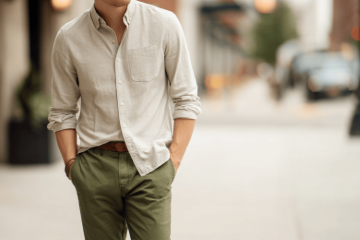
A white crisp shirt with relaxed navy trousers is a classic for a reason. It feels clean, efficient, and timeless. A pale blue shirt with grey trousers is another easy combination that looks calm and professional. If you want a more relaxed mood, earthy tones like olive, taupe, and sand can make the outfit feel modern and grounded.
The simpler the palette, the less mental energy you spend getting dressed. That matters when time is tight.
How to Choose the Right Shirt Fit
The shirt fit should support movement while preserving shape. This is where many people overcorrect. They either choose a shirt that is too fitted because they want sharpness, or too oversized because they want comfort. Neither is ideal on its own.
Slim vs. Regular vs. Relaxed
Slim fits can work well if your build suits them and the fabric has enough structure. Regular fits are often the safest choice because they offer balance. Relaxed fits can look excellent too, but they need careful styling so the outfit does not become too loose overall.
For commute dressing, regular or slightly relaxed is usually the smartest route. You want the shirt to stay neat after several hours of wear, not fight your body the entire time.
Collar and Cuff Considerations
The collar shapes the face, so it matters more than many people realize. A clean collar adds order to the outfit, especially if you are wearing the shirt buttoned up. Cuffs should also feel proportional. Excessively long or narrow cuffs can make the shirt look awkward and reduce comfort.
A well-fitted shirt is like a good frame around a picture. It does not distract from the image. It supports it.
How to Choose the Right Trouser Fit
Relaxed trousers are only effective when they are tailored with intention. The word “relaxed” should suggest ease, not carelessness.
Waist Rise and Leg Shape
A mid-rise or slightly higher rise usually works best because it creates balance and helps the trousers sit neatly. The leg should have room, but not so much that it pools around the ankles. A gentle taper keeps the shape refined.
This matters especially for commuting. You need enough space to sit comfortably, but the trouser must still recover its line when you stand up.
Hem Length and Break
Hem length can change the whole impression. A slight break or no break often looks cleanest with relaxed trousers. Too much fabric bunching at the shoe makes the outfit feel heavier than it should.
A neat hem gives the impression of precision. That precision is what prevents relaxed trousers from looking sloppy.
Footwear That Completes the Commute Look
Shoes are the bridge between the upper and lower halves of the outfit. They can pull everything together or weaken the whole effect.
Clean leather sneakers, loafers, derbies, and sleek boots all work depending on the setting. Sneakers give the outfit a more modern, movement-friendly feel. Loafers and derbies sharpen it. Boots add structure and seasonal weight.
The best commuting shoes are comfortable enough for walking but polished enough to keep the outfit credible. Think of them as the punctuation mark at the end of the sentence.
Layering for Weather, Transit, and Offices
A commuting wardrobe should expect change. Morning chill, warm trains, cold offices, and unpredictable weather all happen in the same day. Layering gives you control.
A lightweight blazer can instantly elevate the shirt-and-trouser combination. A fine-gauge knit over the shirt can add warmth without bulk. A trench coat or simple overcoat brings outerwear function while preserving the outfit’s clean lines.
The best layers are easy to remove and easy to carry. That way, your outfit adapts without becoming complicated.
Accessories That Add Function Without Clutter
Accessories should solve problems, not create them. A slim leather belt, a practical watch, and a structured bag are often enough. The goal is to add utility and quiet polish.
A bag with shape matters more than most people think. A soft, sagging bag can make even a sharp outfit look less intentional. A structured tote, briefcase, or clean backpack helps preserve the overall message.
Keep accessories restrained. When the clothes are already doing the heavy lifting, extra noise is unnecessary.
Common Mistakes to Avoid
One common mistake is mixing a crisp shirt with trousers that are too casual. Another is wearing relaxed trousers that are simply oversized rather than well cut. The result is visual confusion.
People also overdo accessories or choose shoes that are too sporty, which breaks the balance. Another issue is fabric mismatch. A premium shirt paired with thin, shiny trousers can look off immediately.
The best outfit formulas are consistent. Every piece should feel like it belongs to the same world.
A Sample Monday-to-Friday Wardrobe Formula
A practical wardrobe does not need endless variety. It needs reliable combinations. Here is the logic behind a strong weekday formula:
A white poplin shirt with navy relaxed trousers and loafers.
A pale blue shirt with grey trousers and clean sneakers.
An Oxford shirt with beige trousers and derby shoes.
A white shirt with charcoal trousers and a blazer for meetings.
A soft blue shirt with olive trousers and a lightweight coat for cooler days.
This approach reduces decision fatigue. It also helps you dress with confidence because each combination has already been tested by simplicity.
Long-Term Benefits of Dressing This Way
Over time, the crisp-shirt-and-relaxed-trouser formula does more than simplify your mornings. It creates a recognizable style identity. People notice consistency. They associate it with competence and calm.
There is also a practical benefit: fewer bad outfit decisions. When your wardrobe is built around a dependable formula, you spend less time guessing and more time moving through the day. That kind of efficiency is underrated.
Style should support your life, not complicate it. This outfit formula does exactly that.
Conclusion
Morning dressing should not feel like a negotiation. When you combine crisp shirts with relaxed trousers, you get a formula that respects both professionalism and comfort. It works because it is balanced, adaptable, and easy to repeat without becoming dull.
For busy days, that matters. You want clothing that helps you move, think, and present yourself well without constant adjustment. A crisp shirt brings clarity. Relaxed trousers bring ease. Together, they create a quietly powerful uniform for modern life.